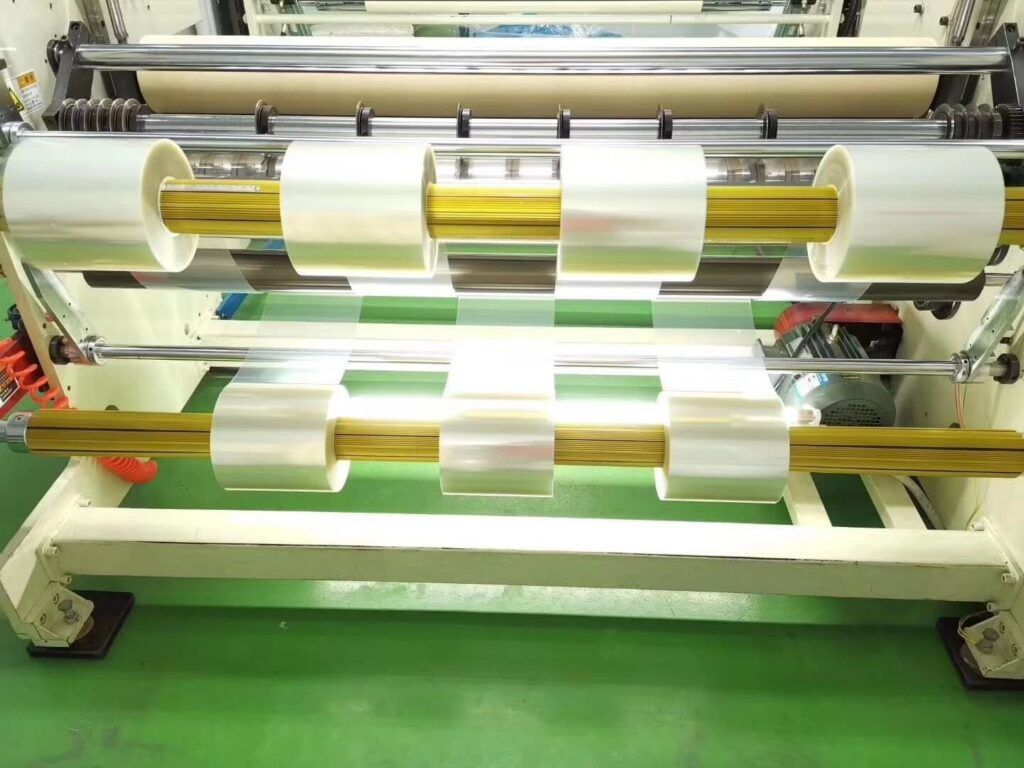
In the manufacturing, electronics, automotive, and industrial sectors, protective films play a critical role in safeguarding surfaces, components, and products throughout production, transportation, and installation. With a wide range of options available—including PE, PET, PU, self-adhesive, and anti-static (double-sided anti-static) films—it’s easy to feel overwhelmed when choosing the right one for your application.
This comprehensive guide breaks down each type of protective film, explaining their materials, key features, applications, and advantages. Whether you’re a procurement manager, production engineer, or business owner, you’ll learn how to select the perfect protective film to meet your specific needs and protect your valuable products.
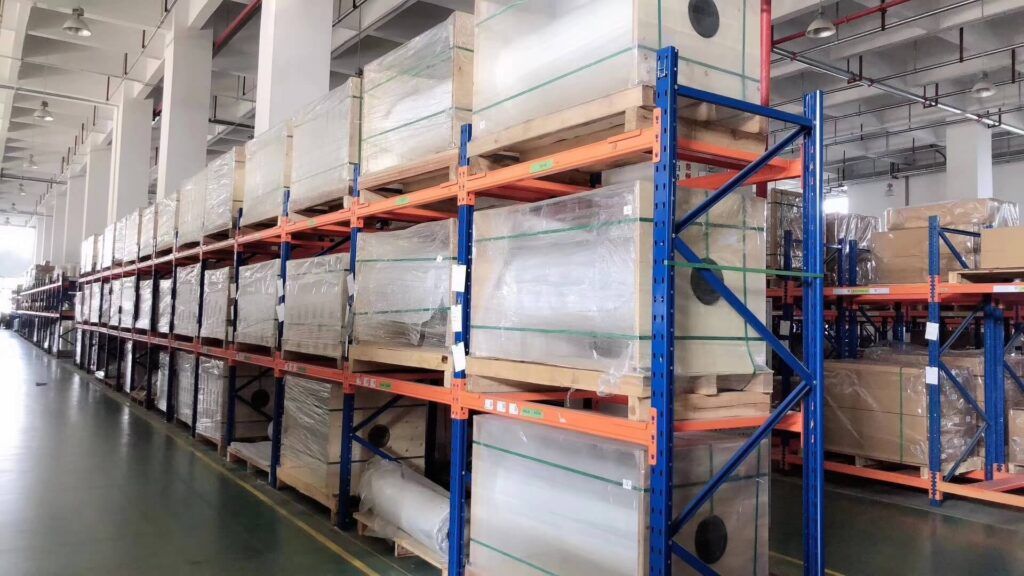
I. What Are Protective Films? Core Functions & Common Uses
Protective films are thin, flexible sheets made from various polymers, designed to adhere to surfaces (temporarily or permanently) to shield them from damage. Their core functions include:
- Preventing scratches, abrasions, and scuffs during handling and shipping
- Blocking dust, moisture, and chemical contaminants
- Reducing static buildup (for electronics and sensitive components)
- Maintaining surface clarity and finish (e.g., for glass, plastic, or painted surfaces)
- Facilitating easy installation and residue-free removal
They are widely used across industries, from electronics and automotive to metal fabrication, medical devices, and architectural glass. The key to choosing the right film lies in understanding the material, adhesion type, and specific protection needs of your product.
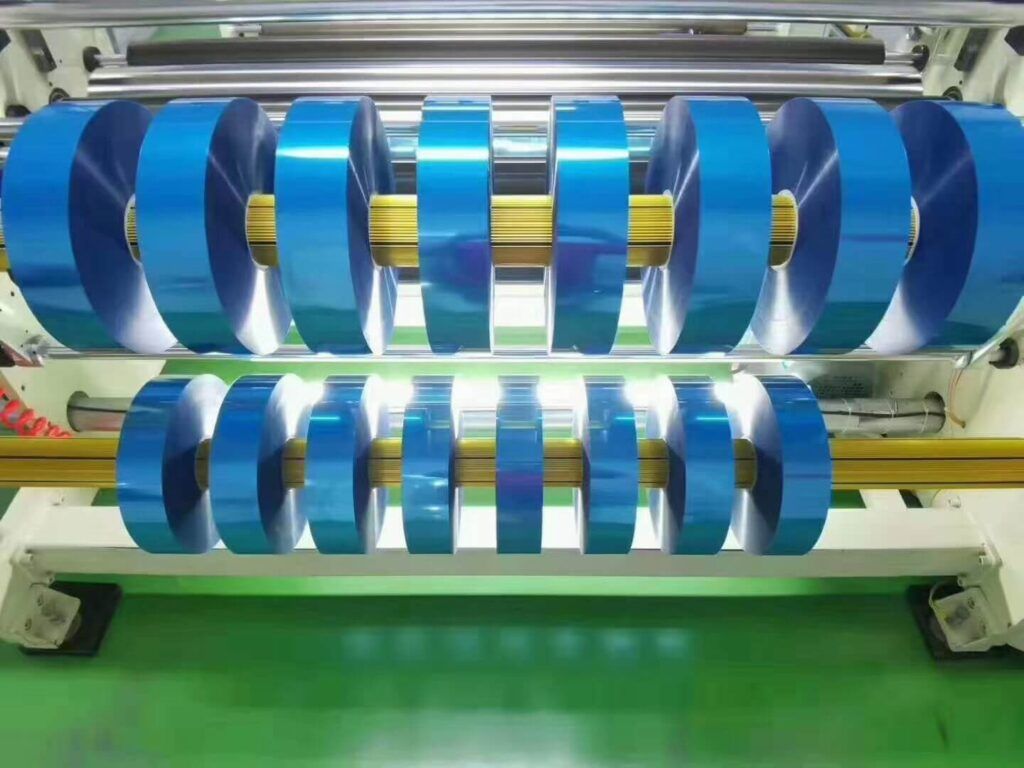
II. Detailed Breakdown of Common Protective Film Types
Below is a detailed overview of the most widely used protective films, including PE, PET, PU, self-adhesive, and anti-static (double-sided anti-static) variants—their unique properties, advantages, and ideal applications.
1. PE Protective Film (Polyethylene Film)
PE (Polyethylene) protective film is one of the most common and cost-effective options on the market. Made from polyethylene resin, it’s known for its flexibility, durability, and versatility. It’s available in two main variants: low-density polyethylene (LDPE) and high-density polyethylene (HDPE), with LDPE being the most popular for surface protection.
Key Features of PE Protective Film
- Flexible and conformable: Adheres easily to flat, curved, and irregular surfaces (e.g., metal sheets, plastic parts, and automotive components).
- Residue-free removal: Designed to peel off cleanly without leaving sticky adhesive residue, even after long-term application (6-12 months).
- Customizable adhesion: Available in low, medium, and high tack options to match different surface materials (e.g., low tack for delicate painted surfaces, high tack for rough metal).
- Cost-effective: Affordable for bulk applications, making it ideal for large-scale manufacturing and shipping.
- Weather-resistant: Optional UV-stabilized variants resist yellowing and degradation when used outdoors.
Ideal Applications
PE protective film is widely used for:
- Metal surfaces: Aluminum profiles, stainless steel sheets, and metal components during fabrication and shipping.
- Plastic products: PVC panels, acrylic sheets, and plastic parts (e.g., automotive interior trim, household appliances).
- Glass and architectural materials: Windows, mirrors, and glass panels during construction and transportation.
- Automotive components: Painted surfaces, bumpers, and trim during assembly and shipping.
2. PET Protective Film (Polyethylene Terephthalate Film)
PET (Polyethylene Terephthalate) protective film is a high-performance option known for its rigidity, transparency, and resistance to heat and chemicals. Unlike PE film, PET film is thinner but more durable, making it ideal for applications that require high clarity and structural stability.
Key Features of PET Protective Film
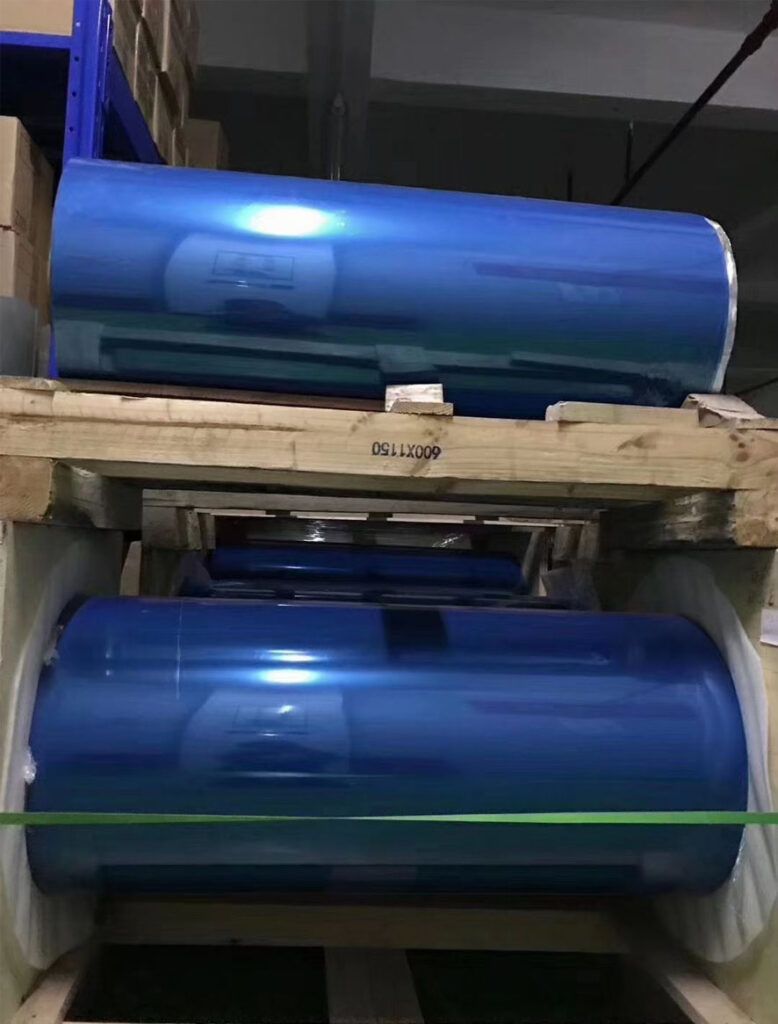
- High transparency and clarity: Maintains 90%+ light transmission, perfect for optical surfaces, display panels, and touchscreens.
- Heat and chemical resistance: Withstands high temperatures (up to 120°C) and resists exposure to solvents, oils, and cleaning agents.
- Scratch and abrasion resistance: Harder than PE film, providing superior protection for delicate surfaces (e.g., camera lenses, LCD screens).
- Thin and lightweight: Ideal for applications where space is limited (e.g., electronic components, precision parts).
- Excellent dimensional stability: Does not stretch or shrink easily, ensuring consistent coverage.
Ideal Applications
PET protective film is commonly used in:
- Electronics: LCD/LED displays, touchscreens, camera lenses, and PCB boards.
- Optical products: Glasses, lenses, and optical fibers.
- Automotive: Headlights, taillights, and instrument panels (where clarity and heat resistance are critical).
- Industrial components: Precision metal parts, medical devices, and semiconductor wafers.
3. PU Protective Film (Polyurethane Film)
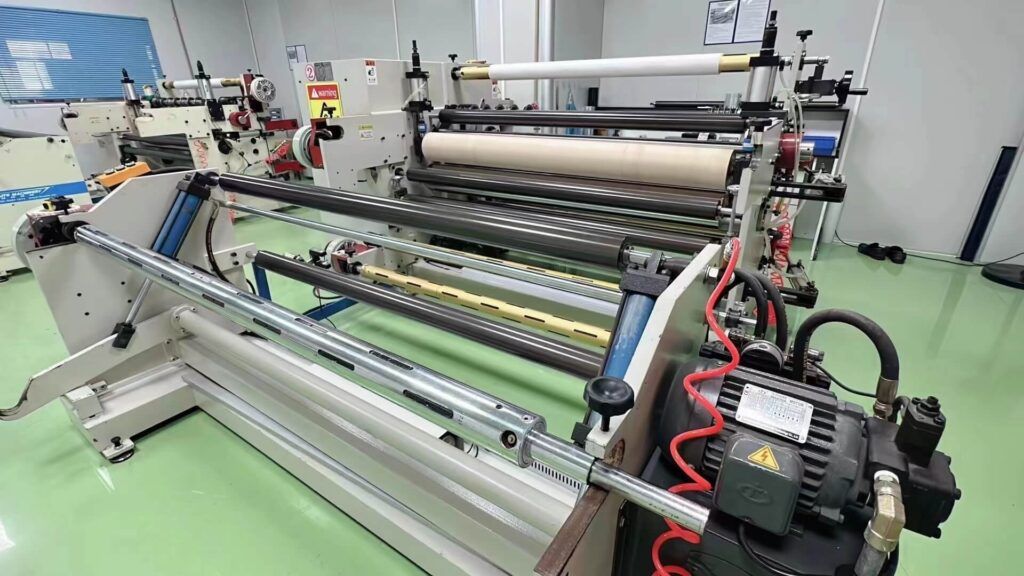
PU (Polyurethane) protective film is a premium option known for its flexibility, durability, and electrostatic discharge (ESD) protection. Made from polyurethane resin, it’s thinner and more conformable than PE or PET film, making it ideal for high-precision and sensitive applications.
Key Features of PU Protective Film
- Ultra-flexible and conformable: Adheres to uneven, curved, and complex surfaces (e.g., automotive body panels, medical devices).
- ESD protection: Static cling or anti-static coating prevents static buildup, protecting sensitive electronic components from damage.
- Residue-free and adhesive-free (optional): Many PU films use static cling instead of adhesive, ensuring clean removal without surface damage.
- High transparency and wear resistance: Maintains clarity while protecting against scratches, impact, and UV yellowing.
- Chemical resistance: Resists exposure to oils, solvents, and cleaning agents, making it suitable for harsh industrial environments.
Ideal Applications
PU protective film is best suited for:
- Electronics: Semiconductor wafers, sensitive PCBs, and electronic components (ESD protection).
- Automotive: High-end painted surfaces, body kits, and interior trim (where flexibility and residue-free removal are critical).
- Medical devices: Diagnostic equipment, surgical instruments, and medical implants (sterilizable variants available).
- High-precision components: Aerospace parts, optical instruments, and precision tools.
4. Self-Adhesive Protective Film
Self-adhesive protective film (also known as adhesive-backed protective film) is a versatile type that uses a pressure-sensitive adhesive (PSA) to adhere to surfaces. It can be made from PE, PET, or PU materials, with the adhesive layer adding extra bonding strength for long-term protection.
Key Features of Self-Adhesive Protective Film
- Strong adhesion: Pressure-sensitive adhesive ensures firm bonding to a wide range of surfaces (metal, plastic, glass, wood).
- Customizable adhesive strength: Low-tack (for delicate surfaces), medium-tack (for general use), and high-tack (for rough or uneven surfaces).
- Residue-free options: High-quality self-adhesive films use removable PSA that peels off cleanly without leaving sticky residue.
- Versatile: Available in PE, PET, or PU materials, combining the benefits of different base materials with adhesive bonding.
Ideal Applications
Self-adhesive protective film is used across industries, including:
- Construction: Flooring, countertops, and architectural panels during installation.
- Automotive: Painted surfaces, door handles, and trim (long-term protection during shipping and storage).
- Electronics: Laptop casings, smartphone screens, and electronic enclosures.
- Manufacturing: Plastic injection-molded parts, metal components, and finished products.
5. Anti-Static Protective Film (Including Double-Sided Anti-Static)
Anti-static protective film is designed to prevent electrostatic discharge (ESD), which can damage sensitive electronic components (e.g., semiconductors, PCBs, and microchips). It is available in two main types: single-sided anti-static (protects the surface from static) and double-sided anti-static (protects both the surface and the film itself from static buildup).
Key Features of Anti-Static Protective Film
- Static dissipation: Coated with an anti-static layer that neutralizes static charges, preventing dust attraction and ESD damage.
- Double-sided protection (optional): Double-sided anti-static films have anti-static coatings on both sides, ideal for protecting delicate components that come into contact with both the film and other surfaces.
- Compatibility with sensitive electronics: Safe for use with semiconductors, PCBs, LCD panels, and other ESD-sensitive components.
- Transparent and residue-free: Maintains clarity while ensuring clean removal, without damaging sensitive surfaces.
Ideal Applications
Anti-static (and double-sided anti-static) protective film is essential for:
- Electronics manufacturing: Semiconductor wafers, PCBs, microchips, and LCD/LED displays.
- Medical devices: Diagnostic equipment, patient monitors, and electronic medical tools.
- Precision components: Aerospace parts, optical instruments, and sensitive sensors.
- Packaging: ESD-safe packaging for electronic components during shipping and storage (double-sided anti-static is ideal here).
III. How to Choose the Right Protective Film for Your Application
With so many options available, selecting the right protective film depends on three key factors: your surface type, protection needs, and application environment. Use this quick guide to make the right choice:
1. Consider Your Surface Type
- Delicate surfaces (painted, optical, electronic): Choose PU or PET film with low-tack or static cling (residue-free).
- Rough surfaces (metal sheets, concrete): Choose self-adhesive PE or PET film with high-tack adhesive.
- Curved/irregular surfaces: Choose flexible PE or PU film (conformable).
2. Define Your Protection Needs
- Scratch/abrasion protection: PE (cost-effective) or PET (high durability).
- ESD protection: Anti-static or double-sided anti-static PU/PET film.
- Heat/chemical resistance: PET or PU film (high-temperature variants).
- Clarity: PET or PU film (high transparency).
3. Consider the Application Environment
- Outdoor use: UV-stabilized PE or PET film (resists yellowing).
- Harsh industrial environments: Chemical-resistant PU or PET film.
- Long-term storage: Self-adhesive PE or PET film with removable PSA.
IV. DCA Tape’s Protective Film Solutions: Customized for Your Needs
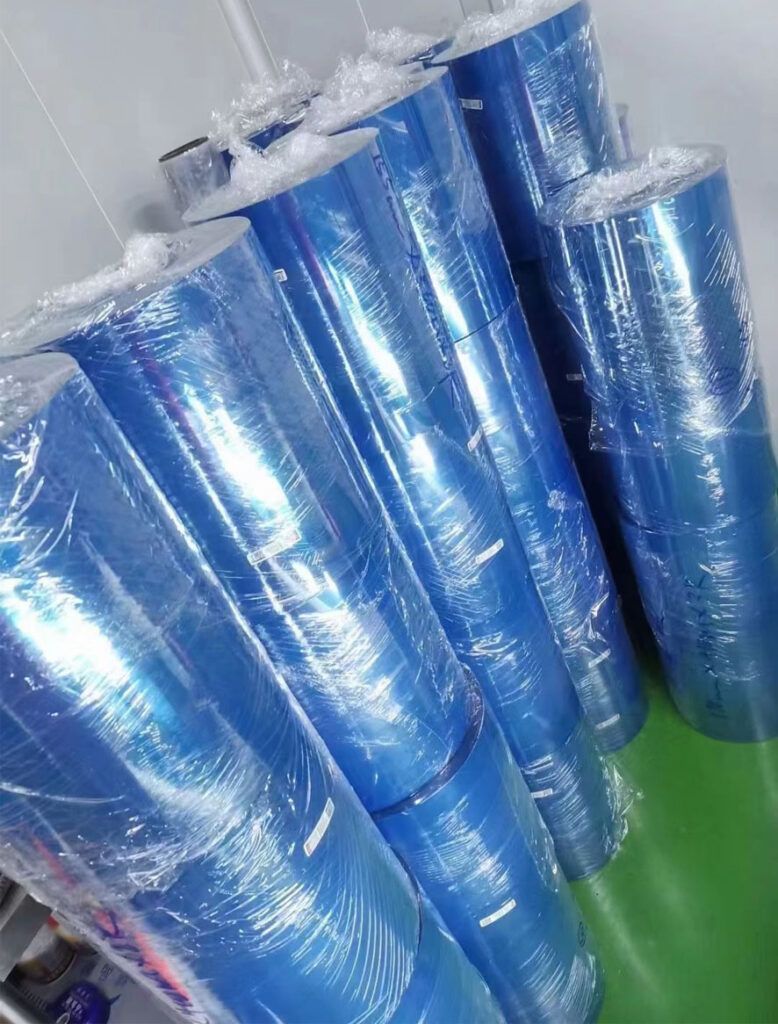
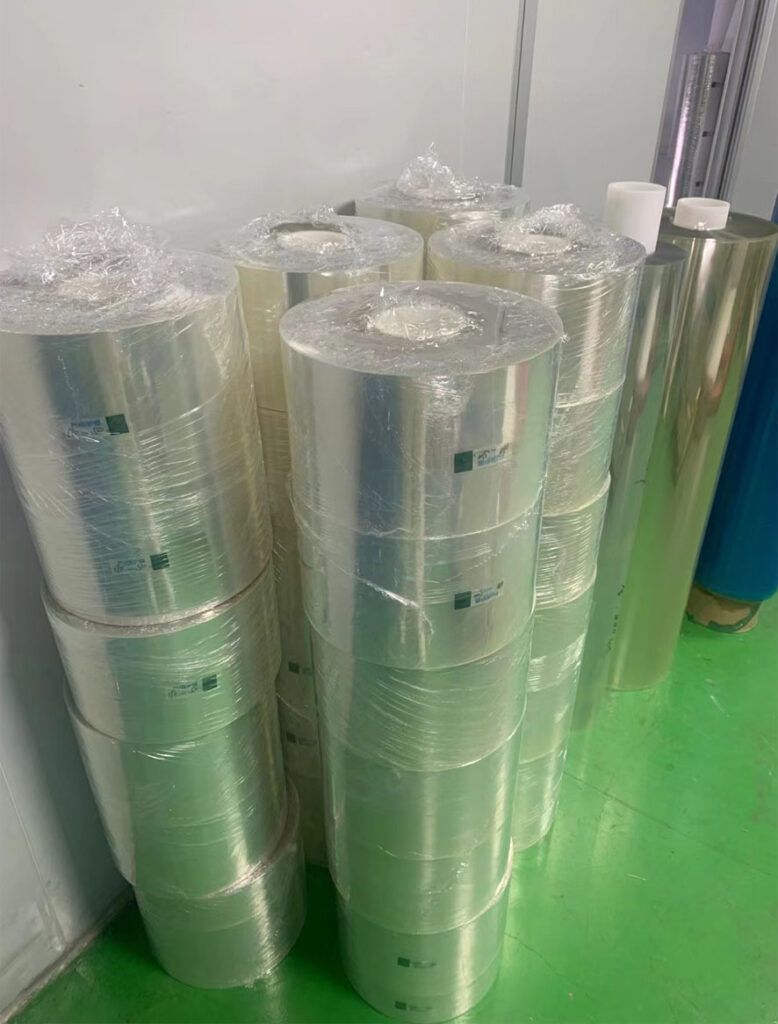
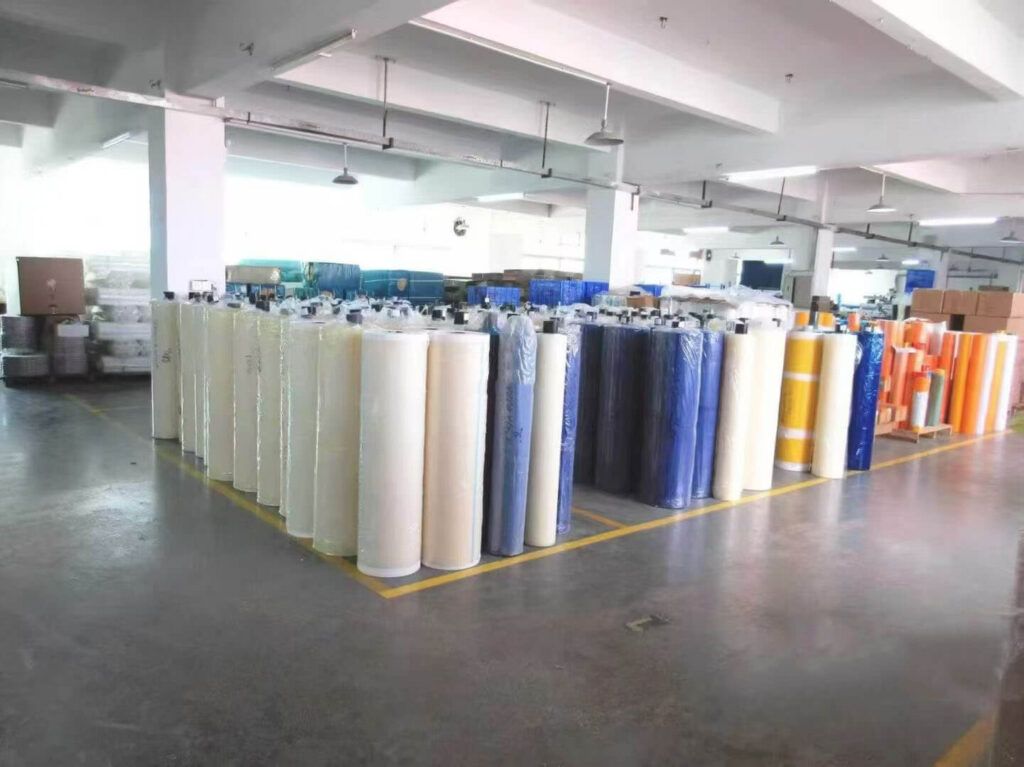
At DCA Tape, we offer a full range of protective films—including PE, PET, PU, self-adhesive, and anti-static (double-sided anti-static) variants—tailored to meet the unique needs of your industry. Our protective films are made from premium materials, with customizable sizes, adhesion levels, and thicknesses to fit your specific application.
Whether you need cost-effective PE film for bulk metal components, high-transparency PET film for electronic displays, or ESD-safe PU film for sensitive semiconductors, we have the solution. We also offer custom die-cutting services to create films in any shape or size, ensuring a perfect fit for your products.
V. Get a Free Sample & Expert Advice
Choosing the right protective film can be challenging—but you don’t have to do it alone. Contact DCA Tape today to request free samples of our PE, PET, PU, self-adhesive, or anti-static protective films. Our team of experts will help you select the perfect film for your application, ensuring optimal protection and cost-efficiency.
Let us help you protect your products, reduce damage, and streamline your production process with high-quality protective films tailored to your needs.